
Knee Pain: Everyday Habits That Help (and When to See a Doctor)
Knees carry us through every step, stair and squat, so it's no surprise they're one of the most common places people feel aches, especially as we get older or after a busy day on our feet. While knee pain has many causes, a few everyday habits can help keep your joints moving more comfortably.
1. Keep moving, gently
It's tempting to rest achy knees completely, but joints generally do better with regular, gentle movement. Walking, cycling and swimming keep the joint mobile without heavy impact. Start with short sessions and build up slowly.
2. Strengthen the muscles around the knee
Strong thigh muscles take pressure off the knee joint. Two simple exercises to try:
- Straight leg raises: lie on your back with one knee bent. Keep the other leg straight and lift it to the height of the bent knee. Lower slowly. Repeat 10 times on each side.
- Sit-to-stand: from a sturdy chair, stand up without using your hands, then sit back down slowly. Repeat 8–10 times.
3. Watch your weight
Every extra kilogram adds pressure to your knees with each step. Even modest weight loss can noticeably ease the load on your joints.
4. Wear supportive shoes
Cushioned, supportive footwear helps absorb impact. Avoid spending long hours in flat, unsupportive shoes or high heels.
5. Warm up, cool down
Before a walk or game, spend a few minutes loosening up. Afterwards, stretch your thighs and calves gently.
6. Soothe the ache
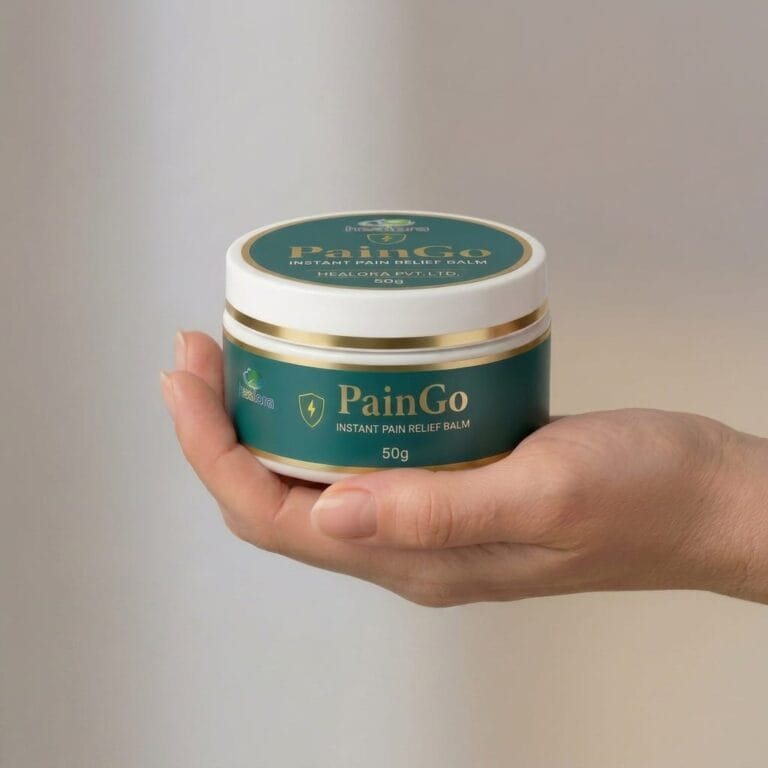
For everyday knee aches and stiffness, massaging PainGo into the area can bring comforting relief. The cooling menthol and warming capsicum help you feel more at ease, and the massage itself gets blood moving around the joint.
When to see a doctor
Please get your knee checked if:
- it is badly swollen, red or hot
- you can't put weight on it, or it gives way
- the pain started after a fall or injury
- it locks or catches when you move
- pain lasts more than a few weeks or keeps getting worse
A doctor or physiotherapist can find the cause and suggest the right treatment.
This article is for general information only and is not medical advice. If pain is severe, follows an injury, or lasts more than a few weeks, please see a doctor.